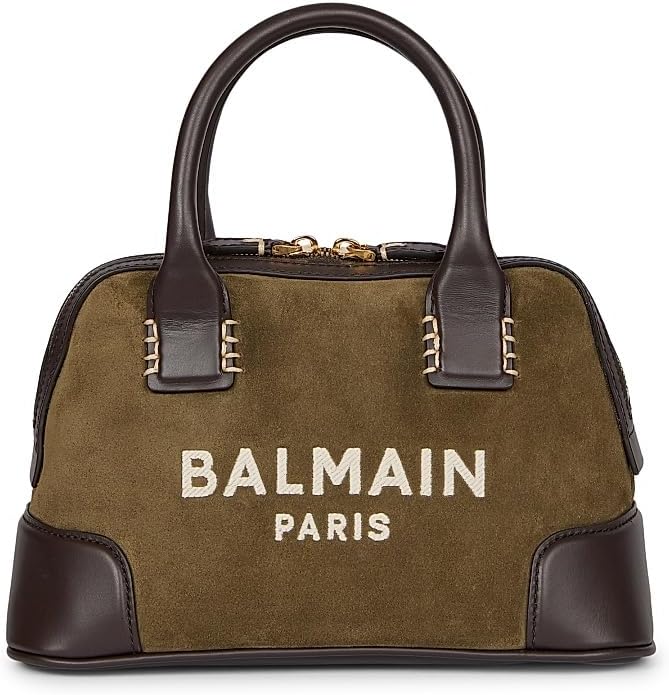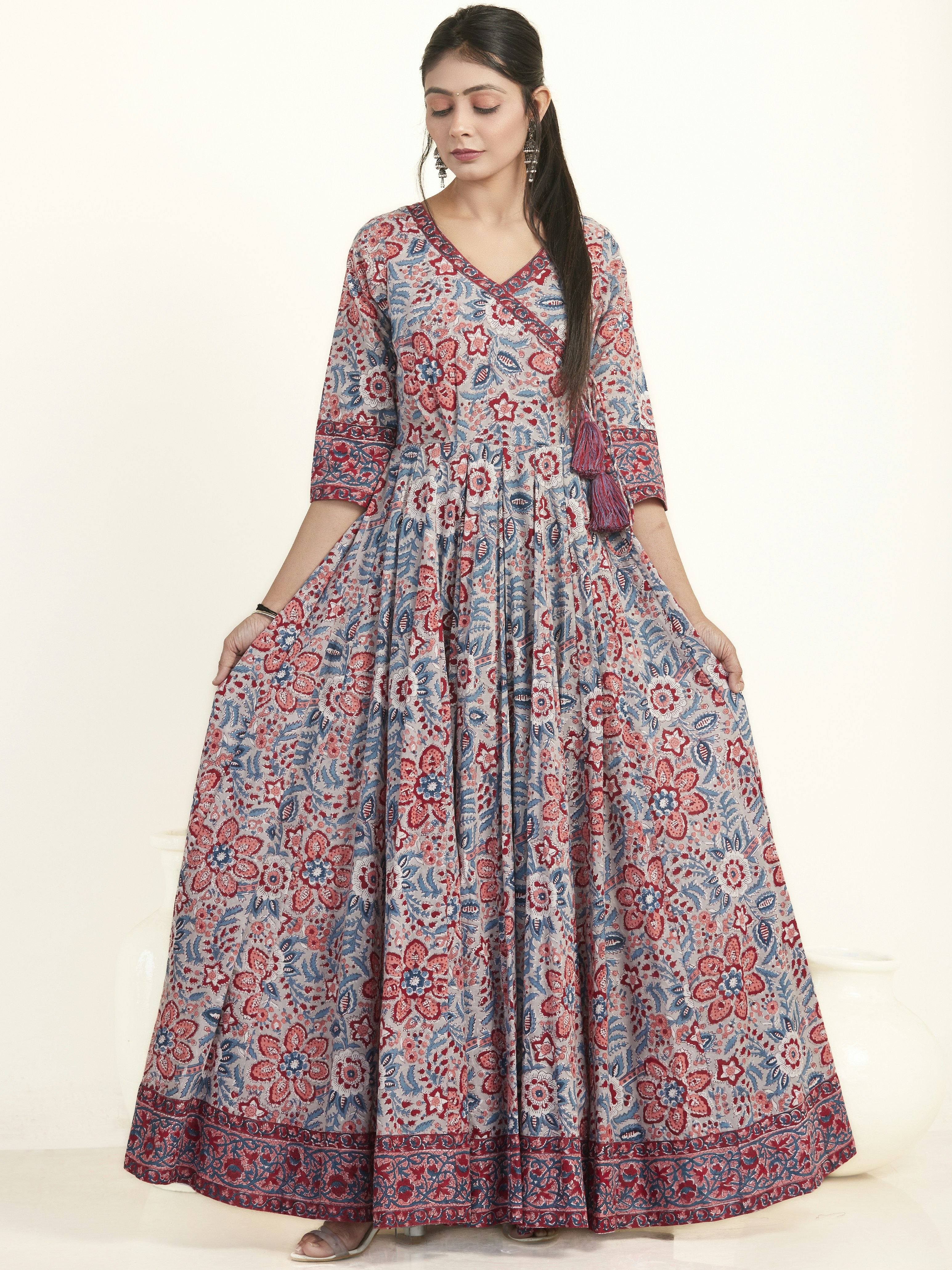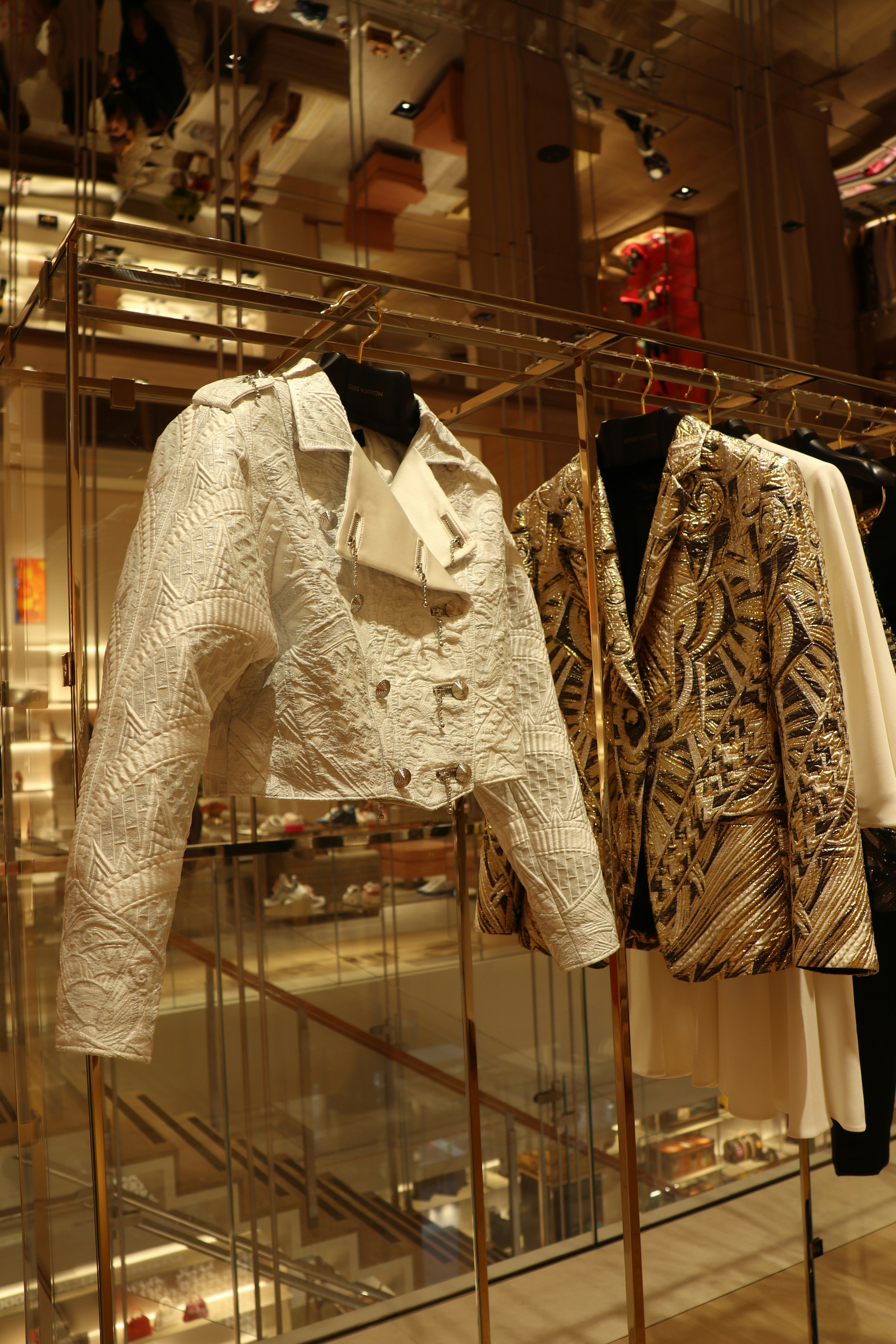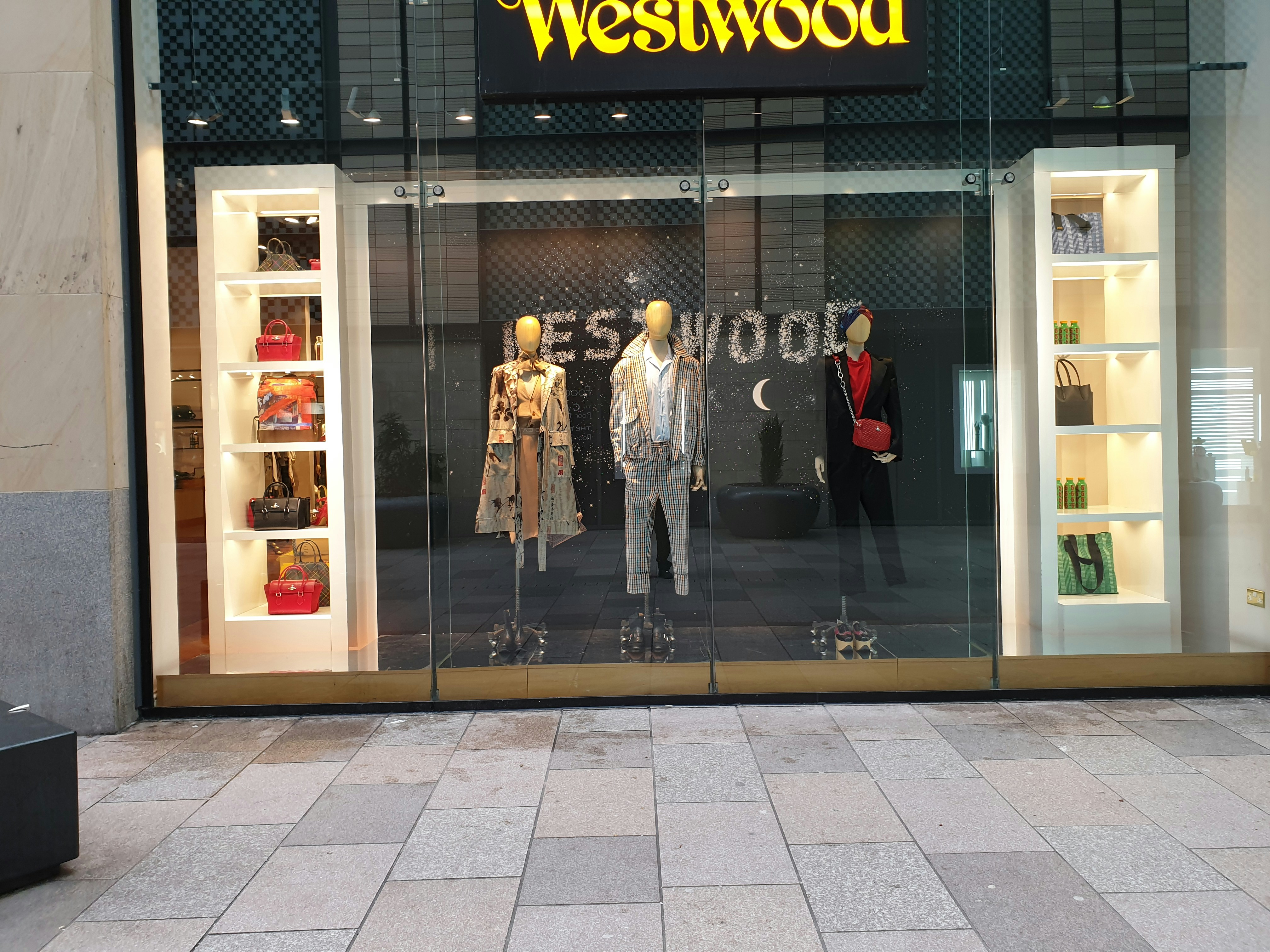

Founded in 1945 by Pierre Balmain in the heart of Paris, Balmain quickly emerged as a significant force in the fashion industry. The post-war era marked a turning point for fashion, with a growing desire for sophistication and elegance. Balmain’s designs were characterized by their luxurious fabrics, intricate detailing, and a strong emphasis on femininity, which resonated with many in a society eager to return to conventions of elegance after the hardships of World War II.
Pierre Balmain drew inspiration from historical styles, merging contemporary aesthetics with classic elements, which is evident in many of his early collections. His ability to craft garments that were both innovative and timeless allowed the brand to attract the attention of high-profile clientele, including celebrities and members of the elite. Notable figures such as Greta Garbo and the Duchess of Windsor were frequent patrons, helping to solidify Balmain’s status as a bastion of haute couture.
By the late 1940s and early 1950s, Balmain had established itself further with landmark collections that showcased the brand’s signature hourglass silhouettes. The house gained acclaim for its romantic and opulent designs, a departure from the utilitarian styles of the wartime years. Through strategic marketing and discerning craftsmanship, Balmain captured the zeitgeist of a society eager for revival.
Key milestones in Balmain’s evolution include the introduction of the iconic ‘Jolie Madame’ collection in 1946 and other standout lines that followed, which continued to encapsulate the brand’s philosophy of elegance. Throughout its history, Balmain has embraced collaborations and has undergone reinventions, ensuring its legacy endures in an ever-changing fashion landscape. As we delve deeper into Balmain’s journey, one can appreciate how foundational principles laid by Pierre Balmain continue to influence modern design philosophies.
The Signature Styles of Balmain
Balmain is synonymous with timeless elegance and has established a reputation for its distinctive styles that resonate with luxury and sophistication. Among its most iconic offerings are the structured jackets, which showcase the brand’s exceptional craftsmanship and attention to detail. The hallmark of a Balmain jacket often lies in its sharp tailoring and structured silhouette, designed to accentuate the wearer’s form while delivering a bold fashion statement.
The brand’s military chic aesthetic, inspired by historical influences, sets it apart as a pioneer in modern fashion. This style is characterized by the use of military-inspired elements, including epaulets, brass buttons, and intricate embellishments. The classic double-breasted blazer stands out as a key piece within this aesthetic, encapsulating the essence of Balmain’s design philosophy. These blazers not only feature impeccable tailoring but are also crafted from luxurious fabrics, such as rich wool blends and sumptuous silks, which add to their allure.
Balmain’s signature styles have evolved over the years, adapting to contemporary trends while remaining anchored in its historical roots. The integration of modern elements, such as bold prints and vibrant colors, enhances the brand’s traditional designs, allowing them to resonate with a new generation of fashion enthusiasts. Yet, despite this evolution, the core characteristics that define Balmain’s clothing—such as the luxurious materials and the precise construction techniques—remain unchanged, ensuring that each piece embodies the brand’s classic appeal.
Through innovative design and unwavering craftsmanship, Balmain continues to captivate its audience by preserving its heritage while embracing the future of fashion. The lasting legacy of its signature styles reflects a commitment to elegance and sophistication that transcends time.
Balmain’s Influence on Modern Fashion
Balmain, established in 1945 by Pierre Balmain, has undeniably shaped the trajectory of modern fashion over the decades. The brand’s high-fashion aesthetic, characterized by luxurious materials and meticulous craftsmanship, remains a significant influence in contemporary trends. Today, Balmain continues to thrive by adapting to the continuously evolving fashion landscape, maintaining its relevance through innovative collaborations, strategic social media engagement, and a keen understanding of popular culture.
One of the key factors contributing to Balmain’s ongoing success is its ability to forge partnerships with renowned artists and brands. Collaborations with musicians, influencers, and other designers have allowed Balmain to expand its reach and appeal to a younger demographic. These partnerships not only introduce fresh perspectives into Balmain’s collections but also generate buzz within fashion circles, further elevating the brand’s status in the industry.
The rise of social media platforms has transformed the way fashion brands interact with their audience, and Balmain has adeptly navigated this new terrain. With a strong social media presence, the brand leverages visually-driven platforms like Instagram to showcase its designs and behind-the-scenes content, engaging with fans and potential customers worldwide. This approach has fostered a sense of community and loyalty among followers, reinforcing Balmain’s position as a purveyor of luxury and innovation.
Noteworthy fashion shows have also played a critical role in cementing Balmain’s influence. The brand’s presentations often attract significant media attention and are attended by A-list celebrities, establishing Balmain as a leading player in high-fashion events. Celebrity endorsements from figures such as Kim Kardashian and Beyoncé have not only amplified the brand’s visibility but also positioned it as a symbol of luxury, blending modern aesthetics with timeless elegance. By continuously embracing change while staying true to its heritage, Balmain emerges as a beacon of sophistication in the fast-paced world of fashion.
The Future of Balmain: Challenges and Innovations
As Balmain navigates the complexities of the fashion industry, it faces a plethora of challenges that demand innovative solutions. The current landscape is marked by a growing emphasis on sustainability, with consumers increasingly attuned to the environmental and ethical implications of their purchases. Balmain, like many luxury brands, is tasked with re-evaluating its practices to align with this shift in consumer preferences. This includes reassessing sourcing methods, manufacturing processes, and overall brand messaging to ensure that sustainability is integrated deeply into the company’s ethos.
Moreover, the evolving tastes of consumers present another challenge for Balmain. The rise of casual and athleisure wear has altered the traditional notions of luxury fashion, with many customers opting for comfort over the extravagance that Balmain has been historically known for. In response, Balmain has been exploring new collections that blend their iconic style with contemporary sensibilities, adding versatility to their offerings. Such innovation could potentially appeal to a broader audience while maintaining the brand’s distinguished identity.
Balmain’s commitment to innovation extends beyond its product lines; it also embraces technology and digitalization. With an increasing number of consumers turning to online shopping, Balmain is investing in its digital presence and e-commerce capabilities. By enhancing the online experience and employing cutting-edge marketing strategies, the brand aims to reach new customers while ensuring that the luxurious essence of Balmain remains intact.
Looking forward, Balmain’s potential for growth lies in its ability to balance its storied legacy with the demands of modern consumers. By addressing sustainability, adapting to changing fashion norms, and leveraging technology, Balmain can continue to thrive in a competitive market. This strategic alignment with contemporary values will not only safeguard its heritage but also pave the way for future innovations that resonate with the next generation of fashion enthusiasts.