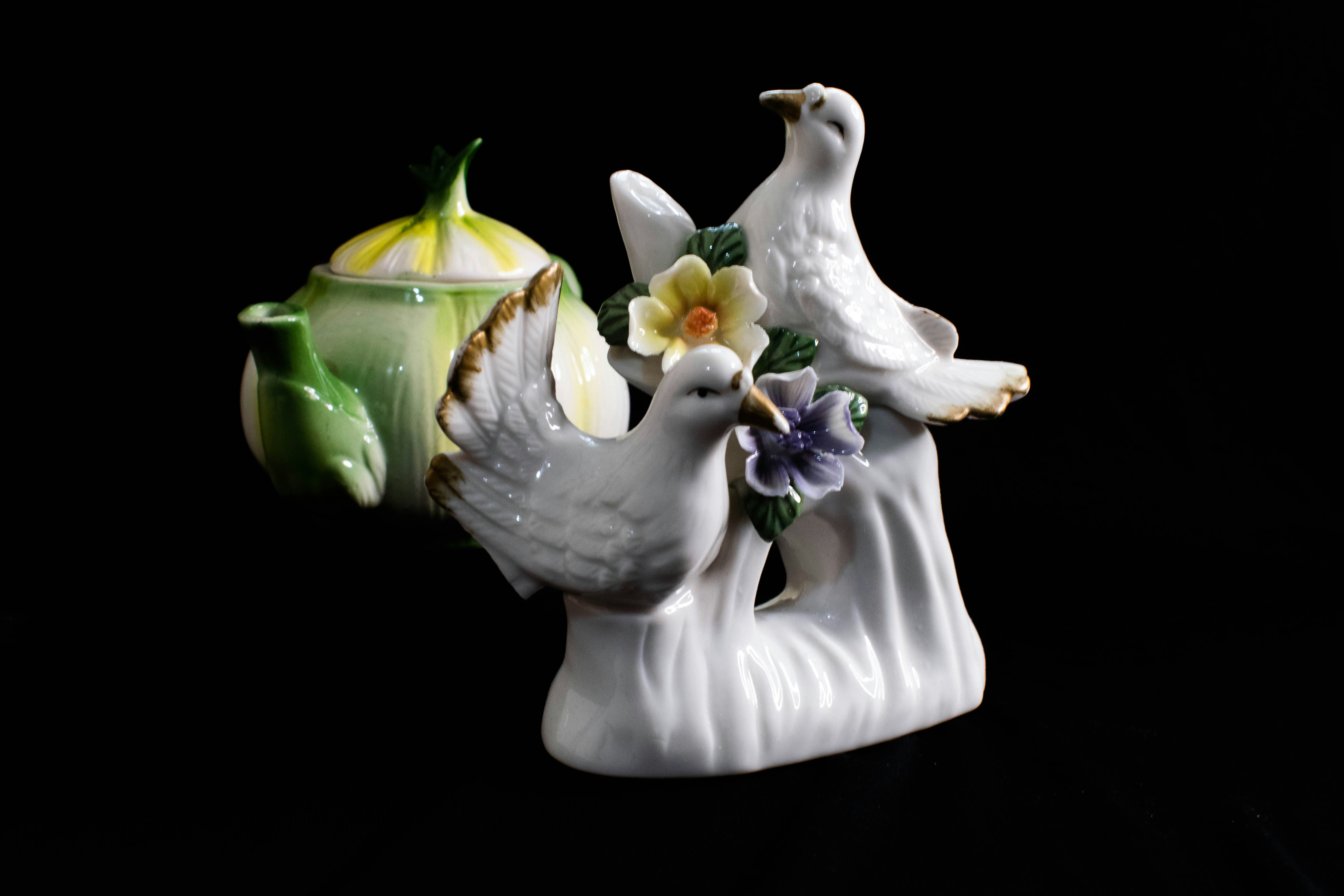
A Brief History of Herend Porcelain
The Herend Porcelain Manufactory, established in 1826 in the quaint village of Herend, Hungary, has a rich history that reflects the dedication of artisans and the evolution of fine ceramics. It was a modest beginning for the factory, as it was founded by Vince Stuhlmann, primarily aimed at producing simple earthenware and porcelain items. However, the initial years were marked by challenges, including financial difficulties and intense competition from established European manufacturers.
In these early days, Herend’s artisans honed their skills, drawing inspiration from the elaborate designs prevalent among the elite in Europe. The craftsmanship and artistry of local artisans became the backbone of Herend’s evolution, allowing the factory to gradually refine its products into exquisite porcelain works. By the mid-19th century, the factory gained recognition for its unique decorative styles, notably the famous “Hand-Painted” designs that would define its legacy. These intricate patterns showcased the exceptional talent of the artisans, utilizing a diverse color palette that brought life to each piece.
The Art of Hand-Painting: Craftsmanship at Its Finest
The charm of Herend porcelain lies in its exquisite craftsmanship, particularly evident in the intricate process of hand-painting. Each piece is meticulously crafted by skilled artisans who employ labor-intensive methods to ensure that no two items are alike. This commitment to individuality not only elevates the aesthetic appeal of Herend porcelain but also adds intrinsic value, making it highly sought after among collectors and enthusiasts alike.
Artisans begin their work by selecting high-quality clay, which is then molded into desired shapes. Once the initial form is created, the painting process begins. The artisans use natural pigments to create vibrant designs, giving each piece its unique personality. One of the most well-known patterns is the iconic fishnet design, characterized by its intricate crisscross pattern. This motif has become synonymous with Herend porcelain, symbolizing elegance and precision.
In addition to the fishnet, Herend porcelain features a variety of traditional motifs that draw inspiration from nature and culture. The animal figurines, for instance, are not merely decorative; they carry deep symbolism. Whether it’s the serene presence of a swan or the playful nature of a rabbit, each figurine tells a story rooted in artistic heritage. The colors and patterns are chosen carefully, often reflecting various cultural significances that resonate with the viewer.
Preserving these artisanal techniques in a modern world is crucial for maintaining the legacy of Herend porcelain. The meticulous hand-painting process brings out the vibrant colors and intricate details that machine-made alternatives can never replicate. As contemporary design trends evolve, it remains essential to honor and support these time-honored methods, as they are integral to the essence of Herend porcelain and its timeless elegance.
Signature Collections: Animal Figurines and Rococo Style
Herend Porcelain, renowned for its intricate craftsmanship and timeless design, boasts several signature collections that continue to inspire collectors worldwide. Among these, the animal figurines stand out due to their remarkable attention to detail and whimsical nature. Each piece in this collection is meticulously crafted by skilled artisans, showcasing a diverse array of animals that range from playful puppies to elegant swans. The vibrant colors and delicate finishes not only highlight the subject’s characteristics but also narrate stories that evoke emotion and nostalgia.
For instance, the Herend fish figurine, part of the extensive animal collection, embodies the artistry of these porcelain creations. Artists pour their commitment into capturing the essence of each animal, often drawing inspiration from the natural world and folklore. As a result, these figurines become treasured pieces in homes and exhibitions alike, appealing to both casual admirers and serious collectors.
In addition to animal figurines, Herend is also well-known for incorporating the opulent Rococo style into its designs. This artistic movement, characterized by its ornate decorations, curved lines, and playful themes, can be vividly seen in Herend’s fishnet figurines. The intricate fishnet pattern, paired with rich colors, reflects the delicate artistry of the Rococo era, celebrating both nature and refinement. These fishnet pieces not only signify the quality associated with Herend but also represent a fusion of history and artistry that resonates with collectors. The aesthetic appeal of Rococo has ensured that these designs remain relevant, attracting enthusiasts who appreciate the seamless blend of craftsmanship and artistic expression.
The enduring popularity of both animal figurines and Rococo-inspired designs solidifies Herend’s legacy in the world of fine porcelain. Each collection not only reflects the brand’s commitment to traditional craftsmanship but also showcases a deep appreciation for beauty and storytelling that transcends generations.
The Legacy of Herend: Collecting and Investing in Porcelain
Collecting Herend porcelain is not merely an artistic pursuit; it serves as an investment opportunity rooted in a rich historical legacy dating back to 1826. The allure of Herend pieces lies not only in their intricate craftsmanship but also in their potential to appreciate in value over time. Several factors influence the market value of Herend porcelain, including rarity, condition, and historical significance. Limited edition pieces or those that bear unique markings often command higher prices, making them attractive options for both collectors and investors.
Rarity is a key driver of value in the world of porcelain collecting. Many collectors seek out discontinued patterns or items produced during specific periods, as these tend to be more coveted. Furthermore, the condition of the piece plays an essential role; porcelain that has been well-preserved or restored by professionals is typically seen as more valuable. Historical significance also contributes to the perception of worth, especially for pieces associated with significant events or esteemed artists.
For those considering entering the realm of Herend porcelain collectors, acquiring authentic items is paramount. Potential buyers should educate themselves about the specific patterns, markings, and styles that define genuine Herend products. Engaging with reputable dealers or auction houses and obtaining certificates of authenticity can safeguard against purchasing counterfeit items. Familiarity with the market trends can further assist investors in making informed decisions.
Integrating Herend porcelain into modern decor can enhance any living space while serving as a conversation starter and a testament to cultural heritage. The timeless beauty of these pieces allows them to complement a range of interior design styles, from traditional to contemporary. By investing in Herend porcelain, collectors not only acquire exquisite works of art but also play a crucial role in preserving a legacy that spans nearly two centuries.