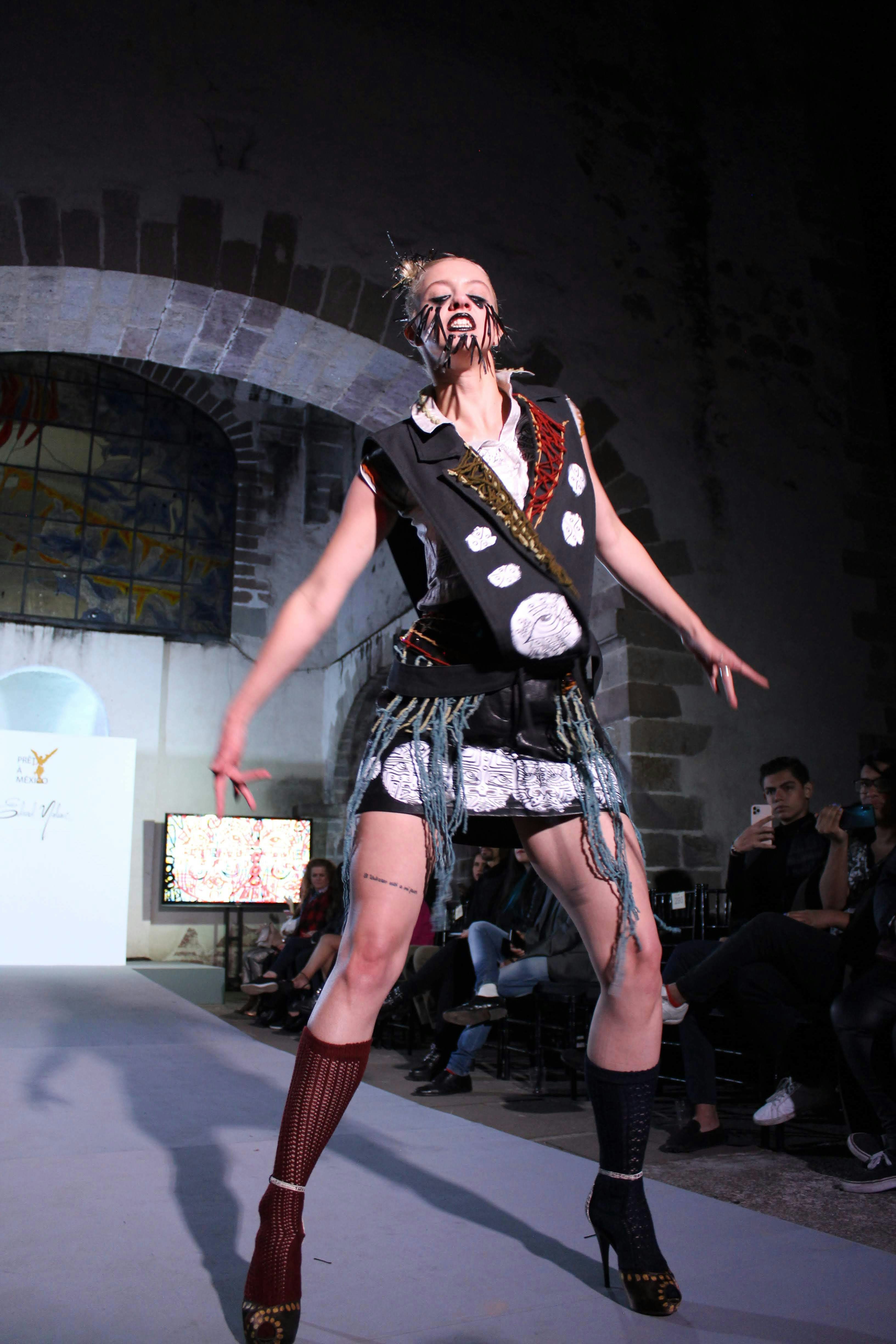
The Birth of Undercover: A Cultural Revolution
In the 1990s, Japan witnessed a transformative shift in its cultural landscape, a revolution that was characterized by the emergence of various youth subcultures and their distinctive aesthetics. Among these avant-garde movements was the birth of Undercover, a brand founded by designer Jun Takahashi. Rooted in the rebellious spirit of the punk movement, Undercover represented a radical departure from traditional fashion, positioning itself as a response to the prevailing socio-political climate of the time.
Undercover’s inception was not merely about creating garments; it was about capturing the essence of youth dissent and the power of individual expression. The punk influences can be traced through various elements of Takahashi’s designs, which often incorporated elements of street style, paradox, and a critique of societal norms. This aesthetic reflected the tumultuous environment of 1990s Japan, where economic challenges and the search for identity among the youth fueled a broader cultural dialogue.
The brand’s signature style can be seen as a reflection of these sentiments, merging high-concept fashion with everyday wear. Takahashi’s designs resonated with the youth, as they represented a canvas for self-expression, challenging conventional beauty and norms. The subculture of punk and avant-garde fashion laid the groundwork for Undercover’s innovative approach, allowing it to thrive in a community that was simultaneously critical of societal expectations and deeply invested in forging its unique identity.
By encapsulating these influences within its collections, Undercover became a landmark brand in the evolution of Japanese street fashion. The dialogue between rebellion, artistry, and the socio-political environment during the 1990s was instrumental in shaping Undercover’s identity, ensuring its place in the annals of fashion history. This cultural revolution not only established Undercover as a significant fashion label but also contributed to the global recognition of Japanese avant-garde fashion during this dynamic decade.
Aesthetic Influences: Punk Meets Cerebral Fashion
The Undercover brand, founded by designer Jun Takahashi in the 1990s, encapsulates a distinctive aesthetic that seamlessly merges punk influences with cerebral fashion. This unique synthesis manifests through innovative textiles, bold colors, and unconventional cuts, which define Undercover’s signature graphic tees. Taking cues from the counter-culture movements of the punk era, these tees serve not only as individual fashion statements but also as poignant social commentaries that challenge conventional norms.
In terms of textiles, Undercover often utilizes a range of materials that reflect the rebellious spirit of punk while incorporating elements of high fashion. The juxtaposition of rough fabrics with refined finishes highlights the brand’s commitment to both authenticity and sophistication. Colors play a pivotal role in this aesthetic; a bold palette that includes stark blacks, vivid reds, and muted earth tones is frequently employed to evoke emotion and provoke thought. These choices enhance the visual language of the collection, allowing each piece to communicate its narrative effectively.
The cuts and silhouettes of Undercover’s garments are equally significant, often featuring an oversized fit or deconstructed elements that question traditional sartorial conventions. This manner of presentation not only boasts a casual yet edgy appearance but also serves as a metaphor for the complexity of modern existence. Furthermore, Undercover’s graphic tees frequently showcase striking imagery and text, drawing influences from literature, music, and visual arts, which helps to enrich their narrative depth.
Collaborations with various artists and designers have further solidified Undercover’s reputation in the fashion landscape. These partnerships often yield limited-edition pieces that reflect a confluence of ideas, celebrating artistic innovation alongside fashion. This interplay of punk ethos and intellectual engagement not only cements Undercover’s place within fashion history but also creates an enduring dialogue between style and societal reflection.
Undercover’s Legacy: Lasting Impact on Global Fashion
The legacy of Undercover has had a profound and lasting impact on the fashion landscape, both within Japan and internationally. Founded by Jun Takahashi in the early 1990s, Undercover emerged as a pioneering force that not only challenged traditional fashion norms but also offered a fresh perspective infused with punk aesthetics. This avant-garde approach resonated deeply with a generation seeking individuality through fashion, subsequently cementing the brand’s status as a vital player in the evolution of contemporary style.
Over the years, Undercover has influenced a myriad of contemporary designers who have drawn inspiration from its unique blend of counterculture and high fashion. Many fashion houses and up-and-coming designers alike have integrated elements of the brand’s signature deconstructionist designs, making it a key reference point in the modern fashion lexicon. This exchange has given rise to a resurgence of 90s fashion trends, where the motifs of rebellion and non-conformity are reinterpreted and celebrated across global fashion platforms.
Moreover, Undercover’s impact extends into the realm of streetwear, where punk aesthetics continue to thrive. The crossroads where art meets commerce is fluidly navigated by Undercover, demonstrating that creative expression can coexist with commercial success. This positioning has inspired a new generation of fashion enthusiasts to embrace avant-garde ideals, pushing the boundaries of what is deemed fashionable. Designers engaging with Undercover’s philosophy find themselves at the forefront of a movement that encourages innovation, urging them to inject personal narratives into their collections.
In essence, the influence of Undercover is undeniable. Its commitment to challenging conventions has paved the way for a more eclectic and boundary-pushing approach in both Japanese and global fashion scenes, ensuring its relevance in the ever-evolving landscape of style.
Collecting Undercover: The Cultural Significance of Graphic Tees
The Undercover brand, established by Japanese designer Jun Takahashi in the early 1990s, has played a pivotal role in the evolution of streetwear, particularly through its distinctive graphic tees. These garments often embody a fusion of high-concept art and wearable fashion, which has led to their substantial appreciation within both vintage and luxury markets. Collecting Undercover graphic tees has transcended mere acquisition; it signifies an appreciation for the narrative and subtext that each piece carries, reflecting a culture steeped in punk aesthetics and avant-garde ideals.
The graphic designs featured on Undercover tees are not only visually striking but laden with cultural significance. They often draw inspiration from an eclectic mix of punk, pop culture, and countercultural movements, serving as a canvas for social commentary. For fans and collectors, these designs resonate profoundly, inviting personal reflection and promoting a dialogue surrounding societal issues. This connection elevates the tees beyond clothing; they have become artifacts that encapsulate pivotal moments in fashion history and subcultural identity.
The community surrounding Undercover collectibles plays a crucial role in enhancing their cultural impact. Enthusiasts come together through various channels, from online forums to social media platforms, fostering a sense of belonging among individuals who share a passion for underground fashion. This communal aspect thrives on the shared appreciation for the artistry of graphic tees and the meanings they convey. Collectors often engage in dialogues about their experiences, ranging from the thrill of discovery at flea markets to the significance of certain designs. These interactions not only reinforce personal connections but also enrich the collective narrative surrounding the Undercover label.
In conclusion, collecting Undercover graphic tees offers a glimpse into a vibrant community and a multifaceted cultural landscape. The combination of artistry, personal expression, and socio-political commentary creates an enduring allure, solidifying their status as coveted pieces among fashion aficionados.