The Origins of Urban Decay: From a Bold Vision to Reality
Urban Decay emerged onto the beauty scene in 1996, founded by the visionary duo Sandy Linter and Wende Zomnir. Their journey began with a desire to disrupt the conventional beauty standards that dominated the market at the time. Rather than conforming to traditional notions of femininity, Linter and Zomnir aimed to create a brand that resonated with the alternative, edgy woman who sought to express her individuality through bold cosmetic choices.
The inception of Urban Decay was marked by a product line that stood in stark contrast to the prevailing beauty norms. Their initial offerings comprised an array of bold colors and unconventional shade names that captivated a previously underrepresented demographic. This innovative approach not only differentiated Urban Decay from other cosmetic brands but also appealed to those who identified with a nonconformist aesthetic. The brand quickly gained recognition for its striking visuals, edgy marketing strategies, and its commitment to offering cosmetics that empowered women to break free from societal expectations.
Urban Decay’s first products included their now-iconic lipstick range and an impressive selection of nail polishes. Each color and design was meticulously crafted to inspire creativity and self-expression. The names of these products were as daring as the colors themselves, with titles that challenged the traditional, often restrained, naming conventions prevalent within the beauty industry. This bold approach set the foundation for Urban Decay’s identity and spoke directly to a generation that craved authenticity in their beauty products.
This commitment to individuality and self-expression quickly transformed Urban Decay into more than just a makeup brand; it became a cultural phenomenon. By embracing the ideals of beauty through an edgy lens, Urban Decay carved out its niche in the beauty market, laying the groundwork for a legacy that continues to evolve and inspire alternative beauty enthusiasts today.
Defining Edgy Beauty: Urban Decay’s Unique Style
Urban Decay has carved out a distinctive niche in the beauty industry, characterized by a rebellious spirit that appeals to those seeking a departure from conventional cosmetics. At its core, Urban Decay embodies an edgy beauty philosophy that is manifested through innovative marketing strategies, striking packaging designs, and an eclectic selection of products. This brand effectively captures the attention of a diverse audience, particularly those who identify with a non-traditional and avant-garde aesthetic.
One of the hallmark features of Urban Decay’s unique style is its commitment to bold and vibrant color palettes, allowing individuals to express their personalities through makeup artistry. The brand consistently showcases a wide range of hues that challenge the norms of beauty, inviting users to break free from the mundane. Their product offerings, which include everything from edgy eyeshadow palettes to daring lipsticks, reflect a dedication to providing customers with tools to create their desired looks, whether they lean toward vibrant or understated.
Moreover, Urban Decay’s marketing strategies resonate strongly with modern consumers. They emphasize authenticity and individuality, showcasing a diverse range of models and influencers who represent various backgrounds and aesthetics. This approach not only humanizes the brand but also fosters a sense of community among users who share a passion for edgy beauty. Furthermore, Urban Decay’s commitment to cruelty-free products and vegan options aligns seamlessly with the values of their target demographic, which increasingly prioritizes ethical consumption.
Through its innovative approach, Urban Decay continues to challenge beauty standards, caters to a diverse clientele, and maintains a steadfast commitment to social responsibility. This blend of creativity, inclusivity, and ethical practices solidifies Urban Decay’s reputation as a leading force within the edgy beauty milieu.
The Iconic Naked Palette: A Cultural Phenomenon
The Naked palette series, launched by Urban Decay in 2010, has established itself as a cornerstone of the brand’s identity and a transformative force in the beauty industry. Prior to its introduction, neutral makeup lacked the diverse, edgy appeal that the Naked palettes provided. This collection did not simply offer a set of eyeshadows; it became a cultural phenomenon that changed the way consumers perceive and utilize neutral tones in their everyday makeup routines.
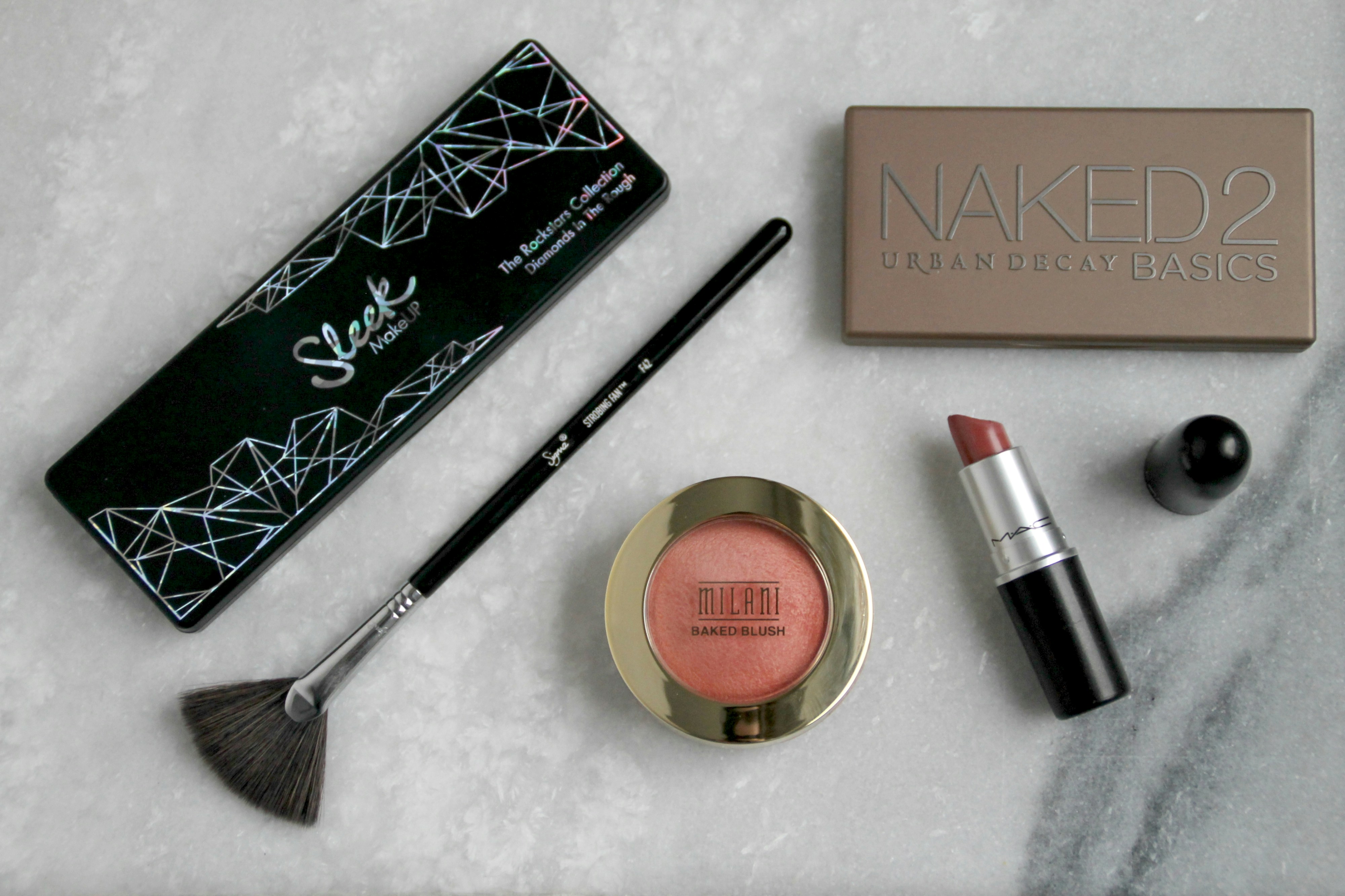
The original Naked palette featured a harmonious selection of twelve versatile shades, blending matte, shimmer, and satin finishes. This wide array of colors facilitated the creation of both subtle and bold looks, allowing beauty enthusiasts to experiment with varying degrees of glamour. The palettes resonated particularly well with the rising trend toward more natural, everyday makeup, catering to individuals seeking accessible elegance without sacrificing creativity. The success of this first palette led to the development of several subsequent versions, including Naked2, Naked3, and Naked Heat, each introducing unique tones and finishes, while still maintaining the core ethos of the original product.
The Naked palettes have not only received widespread acclaim amongst consumers and beauty experts alike but have also played a significant role in shaping the industry’s trends. Their accessibility and widespread availability made them staples in the makeup bags of many, contributing to Urban Decay’s reputation as a leader in the beauty sector. The palettes carved out a niche for neutral makeup that embraces edginess, prompting other brands to explore similar offerings. As a result, the Naked series has undeniably impacted both Urban Decay’s trajectory as well as the broader landscape of makeup, solidifying its place as an iconic cultural artifact in contemporary beauty.
Urban Decay Today: A Part of the L’Oréal Family
Urban Decay has established itself as a prominent player in the beauty industry, particularly following its acquisition by the L’Oréal Group. This strategic partnership has provided Urban Decay with a robust platform for expansion and innovation, allowing it to thrive within a highly competitive market. As part of L’Oréal, the brand has experienced a significant increase in resources, enabling it to enhance its marketing strategies and refine product offerings to cater to a diverse audience.
The influence of L’Oréal on Urban Decay’s approach to marketing is evident in its campaigns that have shifted towards broader accessibility while maintaining the brand’s unique identity of boldness and edginess. This duality has helped Urban Decay carve out a niche that resonates with both alternative enthusiasts and mainstream consumers. Collaborations and strategic partnerships have also become more prevalent, allowing the brand to tap into emerging trends and consumer preferences effectively.
Product innovation continues to be a key focus for Urban Decay, which has launched a variety of new collections that reflect current beauty trends while remaining true to its heritage of vibrant colors and rebellious spirit. The integration of sustainable practices and inclusivity in product lines signals Urban Decay’s commitment to evolving with market demands. With L’Oréal’s global network, Urban Decay has broadened its reach, establishing a presence in emerging markets and enhancing its distribution channels worldwide.
Looking ahead, the future of Urban Decay appears promising as it continues to navigate the intersection of alternative glamor and conventional beauty. By leveraging L’Oréal’s expertise and infrastructure, Urban Decay is well-positioned to maintain its distinct voice while appealing to a wider demographic, ensuring its relevance in an ever-changing beauty landscape.